Vietnam and Hawaii are separated by thousands of miles, yet their culinary traditions have more in common than one might expect. Fresh herbs, high-quality fish, rice as a staple ingredient, and the philosophy that great food can be light and nourishing form the foundation of a modern food trend that is gaining popularity in cities like Munich. Hawasian Cuisine, a fusion of Hawaiian and Asian flavors, brings together the best of both worlds.
What Is Hawasian Cuisine?
Hawasian Cuisine is a modern fusion concept that combines Hawaiian specialties — especially Poké Bowls, fresh seafood, and tropical flavors — with the light, herb-rich influences of Asian cuisines, particularly Vietnamese cuisine.
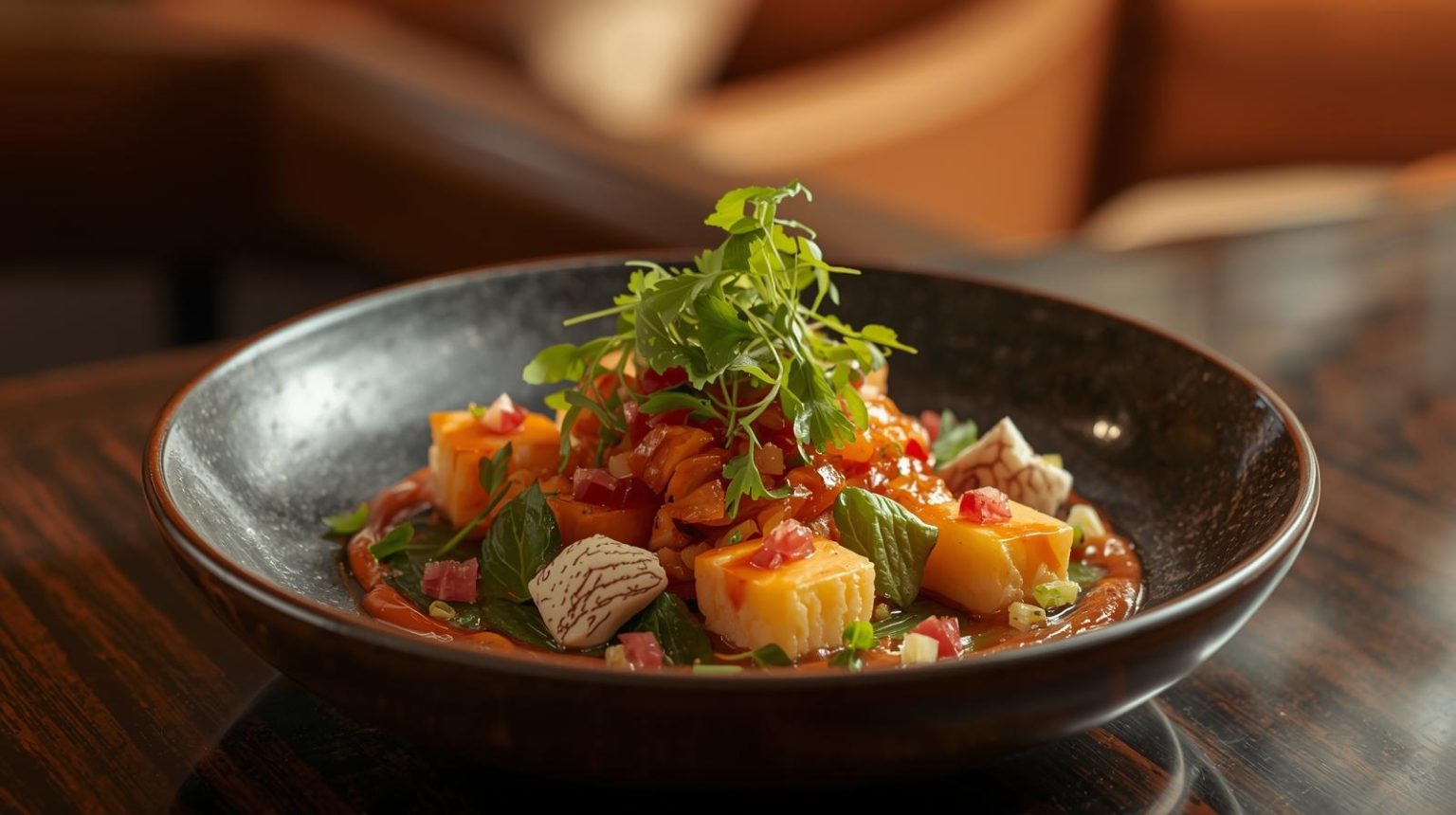
The term itself is a blend of “Hawaiian” and “Asian” and represents a borderless culinary style. Rice noodles meet mango, lime meets sesame ponzu, and fresh tuna meets Vietnamese herbs. The result is a cuisine that is light, flavorful, and satisfying at the same time.
Vietnamese Cuisine: Freshness as a Philosophy
Vietnamese cuisine is widely regarded as one of the healthiest and most diverse culinary traditions in Asia. Its secret lies not in complicated techniques, but in the quality of ingredients and the balance of flavors. Sweetness, acidity, saltiness, spice, and umami complement one another so perfectly that heavy sauces and excessive fats become unnecessary.
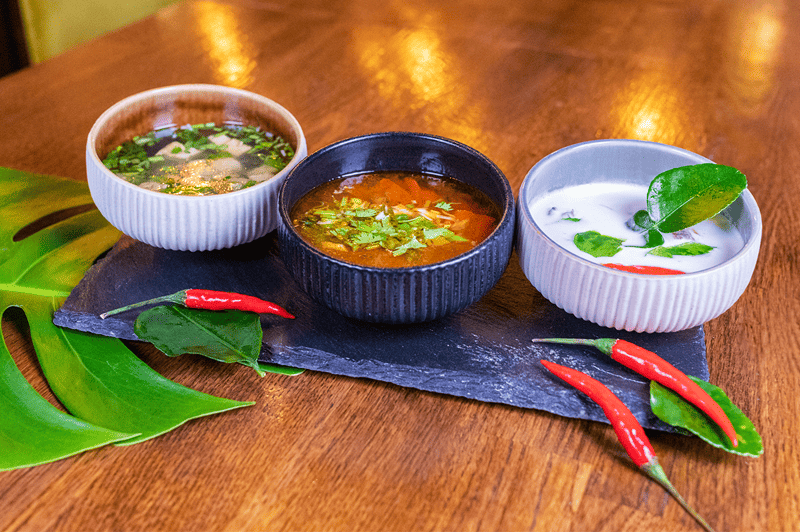
Fresh coriander, mint, Thai basil, lime, chili, fish sauce — a handful of carefully selected ingredients that create a complete and memorable dining experience.
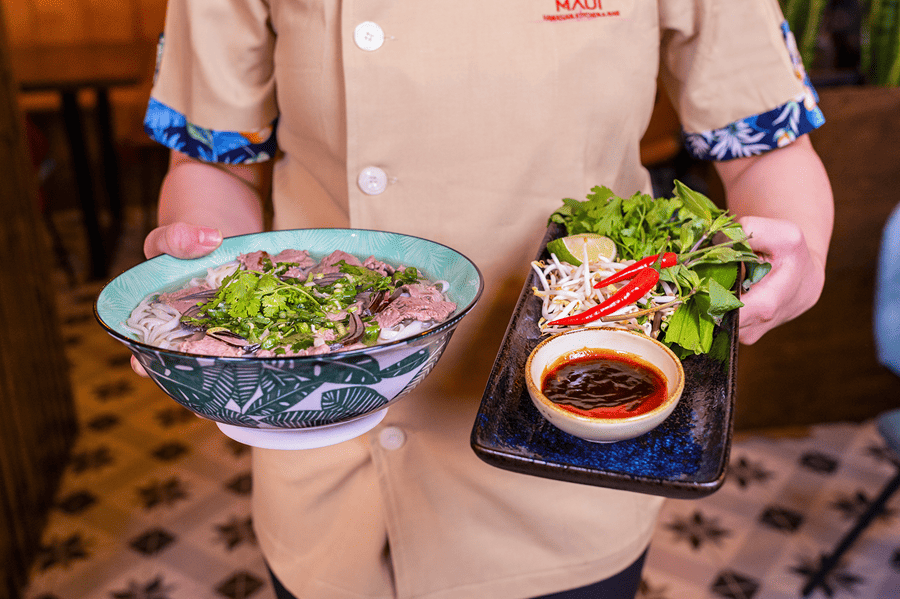
Classics such as Pho, Gỏi Cuốn (fresh spring rolls), and Bún Chả demonstrate how this philosophy of freshness works in practice. It remains one of the reasons why Vietnamese cuisine feels so modern and relevant today.
Hawaiian Cuisine: A Pacific Melting Pot
From a culinary perspective, Hawaii is one of the most fascinating places in the world. Over centuries, Polynesian traditions merged with Japanese, Chinese, Korean, and Southeast Asian influences. The result is a unique cuisine celebrated for its openness, diversity, and creativity.
Fresh fish, rice, tropical fruits, and vegetables form the foundation of Hawaiian cooking. The Poké Bowl — featuring marinated fish served with rice, avocado, edamame, and flavorful sauces — has become the most internationally recognized Hawaiian dish. Other favorites such as Loco Moco, Huli Huli Chicken, and Lomi Lomi Salmon showcase Hawaii’s ability to embrace global influences and transform them into something uniquely local.
Where Vietnam and Hawaii Meet
Vietnamese and Hawaiian cuisines share more similarities than many people realize. Both focus on fresh ingredients, balanced flavors, and natural tastes rather than heavy sauces or overly complex preparation methods.
Coriander, mint, lime, and chili are common in Vietnamese cooking and frequently appear in modern Hawaiian dishes and bowls. Tropical fruits such as mango and pineapple provide natural sweetness that complements savory and spicy elements beautifully. And at the center of both traditions: rice — whether steamed, noodle-form, or as the base of a Poké Bowl.
Why Hawasian Cuisine Fits Modern Lifestyles
Light, colorful, fresh, and highly customizable — Hawasian Cuisine perfectly reflects contemporary dining habits. Bowls can be tailored to individual preferences, making them ideal for sharing with friends, enjoying with colleagues, or grabbing as a quick business lunch. Most importantly, they leave diners feeling satisfied without feeling overly full.
Hawasian Cuisine at MAUI Restaurant Munich
At MAUI Restaurant Munich, Hawasian Cuisine is more than a marketing concept. It is a genuine culinary philosophy. The Poké Bowls combine fresh salmon, tuna, or shrimp with avocado, mango, edamame, cucumber, red cabbage, and house-made ponzu and sesame sauces. The Rice Noodle Bowls embrace the freshness of Vietnamese cuisine through rice noodles, fresh herbs, lime, and light dressings — the perfect bridge between Southeast Asia and Hawaii.
The menu is complemented by Hawaiian favorites such as Loco Moco, Huli Huli Chicken, and Lomi Lomi Salmon, prepared with authenticity while maintaining a contemporary perspective that celebrates culinary diversity.
Conclusion
Hawasian Cuisine is more than a passing trend. It is the natural evolution of two culinary traditions that share the same core values: freshness, balance, natural flavors, and the belief that great food does not need to be heavy. At MAUI Munich, Vietnamese aromatics and the Hawaiian spirit of aloha come together in a way that is best experienced around the table.
Visit Our Locations