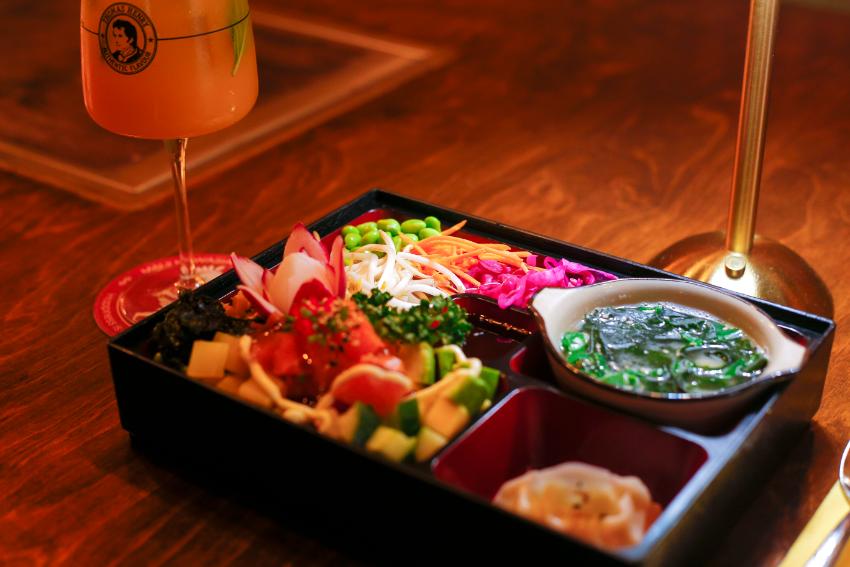
Fresh, aromatic, varied: Vietnamese cuisine is not defined by any single dish, but by the interplay of fresh ingredients, herbs, different textures and balanced flavours. Sweetness, acidity, heat and savouriness complement one another without any one flavour overpowering the others.
Anyone looking to eat Vietnamese food in Munich will find both traditional restaurants and modern concepts. At MAUI, we combine Vietnamese flavours with Hawaiian lightness. The following points show you how to recognise good Vietnamese cuisine, regardless of the concept.
Fresh herbs are a must
Coriander, mint and other aromatic herbs are an integral part of many Vietnamese dishes. They not only add flavour, but also that characteristic freshness. Unlike in cuisines where spices are cooked for a long time, herbs in Vietnam are usually served fresh. This creates a contrast between warm ingredients, crisp vegetables and fresh flavours.

A good Vietnamese restaurant can therefore be recognised by the quality of its ingredients – from herbs and vegetables to meat, tofu and sauces. You can find out more about the basics in our article on typical Vietnamese ingredients.
The balance of flavours
Vietnamese cuisine cannot be reduced to a single flavour profile. Lime adds tartness, chilli adds heat, and sauces contribute savoury or slightly sweet notes. Fresh herbs and a variety of textures round off the dish.
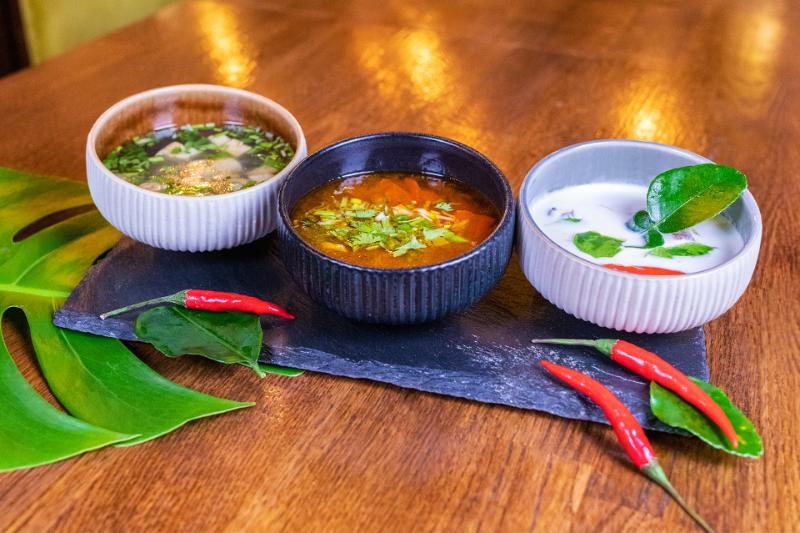
A good dish therefore doesn’t simply taste spicy, sweet or salty, but is well-balanced. It is precisely this balance that sets Vietnamese cuisine apart from many other Asian cuisines and gives it its own distinctive character.
Rice and rice noodles as a base
Rice plays a central role in Vietnam, as do rice noodles. They can be combined with vegetables, herbs, meat, tofu and sauces to create both light and heartier dishes. Even in modern interpretations, they remain the foundation. However, it is only when combined with the other ingredients that they become a complete dish.
Light rather than heavy
Not every Vietnamese dish is automatically low in calories. The impression of lightness comes from fresh ingredients and the deliberate use of different flavours. This is particularly pleasant at lunchtime: vegetables, herbs and fresh ingredients fill you up without weighing you down.
Vegetarian and vegan Vietnamese food
Tofu, vegetables, rice and rice noodles offer plenty of possibilities for combining ingredients in vegetarian and vegan dishes. A good vegetarian option isn’t simply a dish without meat. It works when the vegetables, tofu, herbs and sauce are balanced in such a way that they come together to form a dish in its own right. This allows guests who follow a vegetarian or vegan diet to discover the full range of flavours that Vietnamese cuisine has to offer.
Tradition meets modern Vietnamese cuisine
A Vietnamese restaurant doesn’t have to serve only classic dishes to incorporate authentic influences. It often becomes particularly exciting where tradition and modern interpretation come together: familiar ingredients and flavours are recombined, provided the character of the individual components is preserved.
This is exactly where MAUI comes in. We combine Vietnamese influences with Hawaiian cuisine: bowls, fresh ingredients and tropical elements meet Asian – and in particular Vietnamese – flavours. The result is not a traditional Vietnamese menu, but a modern fusion cuisine with its own distinctive style.
How can you tell if a Vietnamese restaurant is any good?
As well as the flavour, the overall experience counts. Good indicators include:
- fresh, high-quality ingredients
- a clear and straightforward menu
- cuisine that thoughtfully combines flavours
- variety to suit different tastes, from meat dishes to vegetarian and vegan options
Ultimately, it comes down to personal taste: some guests are looking for Vietnamese classics, whilst others enjoy trying modern takes on traditional dishes. It’s therefore worth taking a look at the menu and the restaurant’s concept before your visit.
Vietnamese food in Munich: MAUI at two locations
Munich offers a wide selection of Asian and Vietnamese restaurants, with a wide variety of concepts, locations and styles. MAUI has two branches. Both combine Vietnamese influences with our Hawaiian-inspired concept.
Vietnamese restaurant at Rotkreuzplatz: MAUI Nymphenburg
Our MAUI in Nymphenburg is situated at Nymphenburger Straße 151, near Rotkreuzplatz. If you’re looking for a Vietnamese restaurant in Neuhausen-Nymphenburg, you’ll find fresh ingredients and Vietnamese flavours with a Hawaiian twist here.
Vietnamese food at Odeonsplatz: MAUI Ludwigpalais
The MAUI Ludwigpalais is situated at Ludwigstraße 8 in Munich city centre, just a few steps from Odeonsplatz. The location is ideal for a lunch break, as well as for a meal after a stroll around the city, a meeting or a day’s work in the city centre.
Lunch in Munich: fresh and Vietnamese
If you’re looking for something light rather than heavy for lunch, Vietnamese-inspired bowls and dishes are a great choice. Vegetables, fresh herbs and well-balanced flavours fill you up without weighing you down. If you’re looking for a varied lunch in Munich, you’ll find just the place at both MAUI locations.
Our specialities: poke bowls, wok dishes and Hawaiian classics

MAUI’s cuisine thrives on a combination of fresh poke bowls, Vietnamese wok dishes and starters to share. Many dishes are available at both locations, but each has its own favourites.
A favourite at MAUI Nymphenburg (Rotkreuzplatz)
At Rotkreuzplatz, the focus is primarily on the fresh bowls, which are ideal for a light lunch in Munich:
- Aloha Salmon Bowl: rice with salmon, avocado, red cabbage, sweetcorn, seaweed, sesame seeds and ponzu sauce, served with wasabi mayonnaise.
- Shrimp Poke Bowl: a fresh bowl with prawns.
- Tofu Quinoa Bowl: the vegetarian option with tofu, avocado, vegetables and ponzu sauce.
- Red Curry Tofu or Chicken: vegetables in red curry sauce with coconut milk.
Miso soup or veggie dumplings make a great starter.
Popular at the MAUI Ludwigpalais (Odeonsplatz)
Ludwigpalais offers, alongside its bowls, a wider selection of meat, fish and wok dishes:
- Poke Bowls: colourful, fresh and inspired by the Hawaiian Islands.
- Vietnamesische Wok-Gerichte: with fragrant rice and grilled meat.
- Loco Moco: the Hawaiian classic.
- Reisnudeln und rotes Curry: with chicken, duck or tofu.
Starters such as edamame, chicken satay, coconut prawns and spring rolls are perfect for sharing. Creative cocktails from our own bar round off the evening.
Something for everyone: vegetarian options and dishes to share
At both locations, guests can enjoy vegetarian dishes such as the Tofu Quinoa Bowl, Red Curry Tofu and Veggie Dumplings. Many dishes are designed to be shared, so you can discover Hawasian cuisine together.
Frequently asked questions about Vietnamese food
What is typical of Vietnamese food?
Typical ingredients include rice, rice noodles, vegetables, fresh herbs and aromatic sauces. A key characteristic is the interplay of different flavours and textures.
Is Vietnamese food always spicy?
No. Spiciness is just one possible element. Many dishes rely more on a combination of fresh, aromatic, sweet and sour flavours.
Are there any vegetarian Vietnamese dishes?
Yes. Tofu, vegetables, rice, rice noodles and herbs make it possible to create many vegetarian and, in some cases, vegan dishes.
Where can you eat Vietnamese food in Munich?
There are numerous Vietnamese restaurants in Munich, each with their own unique concept. MAUI combines Vietnamese influences with Hawaiian-inspired cuisine, with branches near Rotkreuzplatz in Nymphenburg and at Odeonsplatz in the Ludwigpalais.
Where can you have a Vietnamese lunch in Munich?
At MAUI, both in Nymphenburg near Rotkreuzplatz and at the Ludwigpalais on Odeonsplatz.